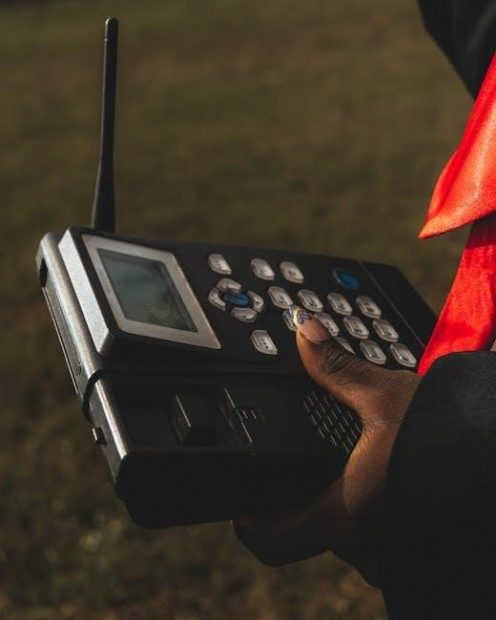
Uniden BCD436HP Manual: A Comprehensive Guide
This manual details the Uniden BCD436HP scanner, covering setup, operation, programming, and troubleshooting—a resource for owners seeking detailed guidance.
The Uniden BCD436HP is a high-performance handheld scanner designed for receiving a wide range of signals, including digital and analog communications. This scanner is popular among enthusiasts for its ability to monitor various frequencies, offering detailed information about local public safety, transportation, and other radio activities.
It boasts advanced features like Close Call, Search Scan, and versatile programming options, catering to both beginners and experienced users. The BCD436HP provides a user-friendly interface and robust functionality, making it a valuable tool for anyone interested in radio monitoring. Manuals and support resources are readily available online.
What’s in the Box?
Upon opening your Uniden BCD436HP package, you should find several key components ensuring a smooth start. These include the BCD436HP handheld scanner unit itself, designed for portable operation and ease of use. A rechargeable lithium-ion battery pack is provided, powering the scanner for extended listening sessions.
Additionally, you’ll receive a micro-USB charging cable for convenient battery replenishment. The package also contains a clip for attaching the scanner to a belt or pocket, and a detailed owner’s manual offering comprehensive instructions and guidance.
Key Features and Benefits
The Uniden BCD436HP boasts an impressive array of features for scanning enthusiasts. It offers extensive frequency coverage, allowing reception of a wide range of signals. Its 500-channel capacity provides ample space for storing favorite frequencies and systems.
Close Call/Quick Key feature rapidly captures nearby signals, while Search Scan efficiently locates active transmissions. The scanner supports multiple scanning modes, enhancing versatility. Benefit from its clear display, intuitive menu navigation, and robust construction, making it a reliable and powerful scanning tool.
Getting Started
Begin with charging the BCD436HP, then power it on and navigate the initial setup to configure basic settings for optimal scanning performance.
Charging the BCD436HP
Before initial use, fully charge the BCD436HP to ensure optimal battery performance and reliability. Utilize the provided charging cable and connect it to a USB power source.
The scanner supports various charging options, including a USB port on a computer or a dedicated USB wall adapter.
During charging, the display will indicate the charging status. A full charge typically takes several hours, depending on the power source.
Avoid using damaged charging cables or power adapters. Once fully charged, disconnect the scanner to prevent overcharging and potential battery damage.
Powering On and Off
To power on the BCD436HP, press and hold the Power/Menu button located on the scanner’s side; The display will illuminate, initiating the startup sequence and loading the scanner’s settings.
A brief welcome screen may appear during startup. To power off the scanner, again press and hold the Power/Menu button.
A confirmation prompt will appear on the display; select “Yes” to confirm the shutdown.
Ensure the scanner is fully powered off when not in use to conserve battery life.
Initial Setup and Configuration
Upon first powering on, the BCD436HP will prompt you through a basic setup process. This includes selecting your preferred language, setting the date and time, and configuring regional settings.
Carefully review each option to ensure accurate configuration.
You may also be asked to set up a scanning mode or select a default system.
Consider performing a factory reset if you encounter issues during setup.
Proper initial configuration is crucial for optimal scanner performance and accurate reception.

Understanding the Interface
The BCD436HP features a display and buttons for control. Navigating the menu system allows access to all scanner functions and settings efficiently.
Display Overview
The BCD436HP’s display is a crucial component, providing vital information at a glance. It showcases the currently scanned frequency, signal strength, and the mode of operation—VFO, Memory, or Scan.
Additionally, the display indicates system information, channel numbers, and any active features like Close Call or Search Scan. Icons clearly represent various settings, such as squelch level and priority channels.
Brightness adjustment ensures optimal visibility in different lighting conditions. Understanding the display layout is fundamental to effectively operating and programming the scanner, allowing for quick interpretation of received signals and scanner status.
Button Functions
The BCD436HP features a comprehensive button layout for intuitive control. The ‘Menu’ button accesses the scanner’s settings, allowing customization of various parameters. ‘Enter’ confirms selections, while ‘Exit’ returns to the previous screen.
‘VFO/MRK’ toggles between VFO mode and memory channels, enabling direct frequency entry or recall. ‘Scan’ initiates and controls the scanning process, while ‘Hold’ pauses scanning on a detected signal.
Volume and squelch controls adjust audio levels and signal reception sensitivity. Familiarizing yourself with each button’s function is key to efficient scanner operation and programming.
Menu Navigation
Navigating the BCD436HP’s menu system is crucial for customizing your scanning experience. Pressing ‘Menu’ reveals the main menu, offering options like ‘Setup’, ‘VFO’, ‘Memory’, and ‘System’. Use the up/down arrow keys to highlight desired categories.
Press ‘Enter’ to select a category, then navigate submenus using the same arrow keys. ‘Exit’ returns to the previous menu level. The display clearly indicates your current location within the menu structure.
Understanding this hierarchical structure allows efficient access to all scanner settings and programming functions.
Scanning and Reception
Effective scanning relies on selecting appropriate modes and frequencies, ensuring optimal signal reception for monitoring desired communications with clarity.
Scanning Modes Explained
The BCD436HP offers diverse scanning modes to tailor reception; VFO mode allows direct frequency input for focused listening. Memory scan cycles through saved frequencies, ideal for pre-programmed channels. System scan efficiently monitors pre-defined radio systems.
Search scan automatically sweeps frequency ranges, discovering active signals. Close Call searches for signals near a selected frequency. Priority scan continuously checks a designated channel while scanning others. Understanding these modes optimizes your listening experience, enabling efficient monitoring of desired communications and quick response to critical transmissions.
Frequency Entry and Programming
The BCD436HP allows direct frequency entry via the keypad, requiring accurate input of frequency and tone settings. Manual programming involves entering each frequency individually, suitable for small lists. For extensive programming, utilize the CPS (Computer Programming Software) for efficient data transfer.
CPS enables bulk frequency uploads and editing, streamlining the process. Ensure correct configuration of system and channel parameters during programming. Regularly save your programmed data to prevent loss. Proper frequency entry and programming are crucial for reliable scanner operation and targeted reception.
System and Channel Selection
The BCD436HP organizes frequencies into systems and channels for streamlined scanning. Systems represent groups of frequencies, like public safety or transportation, while channels are individual frequencies within a system. Efficiently navigate using the menu to select desired systems or individual channels for monitoring.
Prioritize channels for quick access to frequently monitored frequencies. Utilize the channel grouping feature to categorize and manage your programmed channels effectively. Understanding system and channel selection optimizes scanning performance and allows focused listening to relevant communications.
Programming the Scanner
This section details methods for programming the BCD436HP, including manual entry and utilizing Computer Programming Software (CPS) for efficient setup.
Manual Programming
Manual programming of the BCD436HP involves directly inputting frequencies and settings using the scanner’s keypad and menu system. This method is ideal for adding a small number of channels or for users who prefer a hands-on approach. Begin by accessing the programming mode through the scanner’s menu. You’ll then navigate to create a new channel, entering the desired frequency, system type, and any relevant settings like tone or offset.
Carefully verify each entry to ensure accurate reception. The manual offers a step-by-step guide, but patience is key. Remember to save each channel after programming to avoid losing your work. While time-consuming for large-scale programming, manual entry provides complete control over each channel’s configuration.
Using Programming Software (CPS)
The Uniden CPS (Computer Programming Software) offers a significantly faster and more efficient method for programming the BCD436HP, especially for extensive channel lists. This software allows you to create, edit, and upload channel data from a computer, eliminating the need for manual keypad entry.
CPS provides a user-friendly interface for organizing and managing your scanner’s configuration. You can download the latest version from the Uniden website and install it on your computer. Connecting the scanner via a programming cable enables data transfer. Backing up your existing configuration before making changes is highly recommended.
Downloading and Installing CPS
To begin using the CPS, navigate to the official Uniden website and locate the support section for the BCD436HP model. Within the support area, you’ll find the latest version of the programming software available for download. Ensure you select the correct version compatible with your operating system (Windows).
After downloading, carefully follow the on-screen installation instructions. The process typically involves accepting the license agreement, choosing an installation directory, and creating desktop shortcuts. A USB programming cable is required for communication between your scanner and computer.
Advanced Features
Explore powerful capabilities like Close Call, Search Scan, and VFO operation to customize your scanning experience and efficiently locate desired signals.
Close Call Feature
The Close Call feature on the BCD436HP is designed to detect signals that are very close in frequency to those already programmed in your scanner’s memory. This is particularly useful for intercepting hidden or encrypted communications, or signals operating on slightly offset frequencies.
Activation allows the scanner to briefly monitor frequencies adjacent to programmed channels, alerting you to potential transmissions you might otherwise miss. Sensitivity adjustments are available to fine-tune the feature, minimizing false alarms while maximizing detection range. Proper configuration is key for optimal performance, balancing responsiveness with unwanted signal capture.
Search Scan Function
The Search Scan function allows the BCD436HP to automatically scan across a specified frequency range, identifying active signals and prompting you to add them to your memory. This is an efficient method for discovering new transmissions within a given area, particularly useful for monitoring public safety or business radio frequencies.
Users can define the start and stop frequencies, as well as the scan increment, tailoring the search to specific needs. The scanner will halt on any detected signal meeting the programmed criteria, allowing for manual evaluation and storage. Careful use of search scan expands your monitoring capabilities.
VFO Operation
VFO (Variable Frequency Oscillator) operation provides direct frequency entry for immediate listening, bypassing programmed channels. This allows users to quickly tune to specific frequencies not stored in memory, offering flexibility for monitoring temporary or infrequent transmissions.
The BCD436HP’s VFO mode enables manual frequency adjustments using the keypad, with real-time signal strength and identification displays. It’s ideal for exploring new frequencies or verifying signal activity. Remember to adhere to local regulations when monitoring frequencies, and save interesting finds to memory for easy recall.
Troubleshooting
This section addresses common issues, offering solutions for problems like signal reception, programming errors, and scanner resets—ensuring optimal performance.
Common Issues and Solutions
Weak Signal Reception: Ensure proper antenna connection and placement; try a different antenna for improved range; Programming Difficulties: Verify correct frequency entry and system configuration using CPS software. Scanner Not Powering On: Check battery charge or AC adapter connection; attempt a reset. Memory Errors: Avoid duplicate entries and ensure sufficient memory space. Display Problems: Adjust brightness settings or consider a factory reset as a last resort. Regularly check for firmware updates to address known bugs and enhance performance. Consult online forums for user-shared solutions.
Resetting the Scanner
Soft Reset: Power off the BCD436HP, then power it back on. This resolves minor glitches without data loss. Factory Reset: Access the menu (typically under ‘Settings’ or ‘Maintenance’) and select ‘Factory Reset’. Caution: This erases all programmed data, returning the scanner to its original state. Back up important configurations before proceeding. A reset can fix persistent errors or restore optimal performance. After a factory reset, re-enter frequencies and settings. Refer to the manual for specific reset procedures and potential data backup options.
Firmware Updates
Importance: Firmware updates enhance performance, add features, and fix bugs. Checking for Updates: Visit the Uniden website (see ‘Resources and Support’) for available updates. Update Method: Typically, updates are applied via CPS (Computer Programming Software) and a USB connection. Download the latest CPS version and firmware file. Follow the on-screen instructions carefully during the update process. Caution: Interrupting a firmware update can render the scanner unusable. Ensure a stable power supply during the entire process. Back up your data before updating.
Technical Specifications
The BCD436HP boasts extensive frequency coverage, substantial memory capacity, and specific power requirements—detailed specifications are crucial for informed operation.
Frequency Coverage
The Uniden BCD436HP excels with its broad frequency receiving capabilities, encompassing a wide spectrum for diverse monitoring needs. It covers 25 MHz to 1.4 GHz, including VHF Low Band, High Band, UHF, 700/800 MHz, and even some digital frequencies.
This extensive range allows users to scan various public safety, aviation, marine, and amateur radio communications. The scanner’s ability to receive multiple bands makes it a versatile tool for enthusiasts and professionals alike, ensuring comprehensive coverage across numerous channels.
Memory Capacity
The Uniden BCD436HP boasts an impressive memory capacity, capable of storing a substantial number of frequencies and programmed channels. It features 25,000 memory locations, allowing users to save countless radio systems and individual frequencies for quick and easy access.
This extensive memory bank is ideal for monitoring numerous services and locations, providing flexibility and convenience. Users can organize channels into various banks for streamlined scanning, enhancing the scanner’s usability and efficiency in diverse listening scenarios.
Power Requirements
The Uniden BCD436HP is designed for versatile power options, ensuring reliable operation in various situations. It primarily operates on a 7.4V Lithium-Ion battery pack, providing extended scanning time. A standard micro-USB port facilitates convenient charging from a USB power source, like a computer or wall adapter.
Additionally, the scanner supports direct DC power input, typically 5-10V DC, for stationary use. Proper voltage is crucial to avoid damage; always verify compatibility before connecting to an external power supply.
Safety Information
Always heed precautions regarding battery usage, antenna placement, and operating environments to ensure safe and reliable scanner operation, preventing potential hazards.
Important Precautions
To ensure safe operation of your Uniden BCD436HP, avoid exposing the unit to extreme temperatures or direct sunlight for prolonged periods. Do not attempt to disassemble or modify the scanner, as this could result in damage or electrical shock.
Handle the battery with care; avoid puncturing, crushing, or exposing it to fire. Use only the specified charger to prevent overcharging and potential hazards. Keep the scanner dry and away from liquids.
Ensure proper antenna connection to avoid interference with other devices. Always follow local regulations regarding scanner usage and frequency monitoring.
Operating Environment
The Uniden BCD436HP is designed for mobile and stationary use within a temperature range of 32°F to 104°F (0°C to 40°C). Avoid operating the scanner in excessively humid environments or areas with high dust concentrations.
Ensure adequate ventilation around the unit during operation to prevent overheating. Do not expose the scanner to corrosive gases or flammable materials.
Optimal performance is achieved when the scanner is used indoors or in a sheltered outdoor location, away from direct weather elements.

Resources and Support
Access the Uniden website for manuals, FAQs, and support. Online forums and communities offer valuable assistance and shared knowledge for BCD436HP users.
Uniden Website and Support
For official assistance and the most current information regarding your Uniden BCD436HP, the Uniden website is the primary resource. Here, you can directly download the complete owner’s manual in PDF format, ensuring you always have access to detailed instructions.
The support section provides frequently asked questions (FAQs) addressing common issues and troubleshooting steps. Additionally, Uniden offers direct contact options, including phone and email support, for personalized assistance with your scanner.
Regularly checking the Uniden website will also keep you informed about potential firmware updates, which can enhance performance and add new features to your BCD436HP;
Online Forums and Communities
Beyond official support, a wealth of knowledge exists within online forums and communities dedicated to scanner enthusiasts. These platforms offer a space to connect with fellow BCD436HP users, share programming tips, and troubleshoot complex issues collaboratively.
Experienced users often post detailed guides, custom frequency lists, and solutions to common problems not explicitly covered in the official manual;
Active communities provide a valuable resource for learning advanced techniques and staying updated on the latest scanner-related news and developments. Searching online will reveal numerous dedicated forums and groups.
Manual Download Locations
Locating the Uniden BCD436HP manual is straightforward, with several official and reliable sources available online. The Uniden website itself hosts the latest version in PDF format, ensuring access to the most current information.
Additionally, websites specializing in manuals, such as ManualsLib and ManualsOnline, archive older versions and offer convenient search functionality.
Resources like Manualzilla also provide access to the owner’s manual, offering a comprehensive collection of scanner documentation.
Always verify the source to ensure you’re downloading a legitimate and virus-free file.
Accessories
Enhance your BCD436HP with compatible antennas, charging options, and programming cables—essential tools for optimal performance and expanded functionality.
Compatible Antennas
Selecting the right antenna significantly impacts the BCD436HP’s reception capabilities. A variety of antennas are compatible, ranging from basic telescopic whips to more sophisticated external antennas. Consider the frequencies you intend to monitor when choosing an antenna; different antennas are optimized for various bands.
For improved range and clarity, a larger, externally mounted antenna is recommended. Mobile antennas, designed for vehicle installation, offer excellent performance while traveling. Ensure the antenna connector matches the BCD436HP’s SMA connector. Experimenting with different antenna types can help you achieve the best possible scanning results in your specific location.
Charging Options
The Uniden BCD436HP utilizes a USB-C port for charging, offering versatile power solutions. The included USB cable can connect to a standard USB power adapter (wall charger) or a computer’s USB port. For faster charging, a 5V/2A USB power adapter is recommended.
Consider using a dedicated USB charging hub for multiple devices. While the scanner can operate during charging, it may extend charging time. Avoid using damaged or non-certified USB cables, as they could potentially harm the device. Regularly check the charging port for debris to ensure a secure connection.
Programming Cables
For advanced programming of the BCD436HP, a specific USB programming cable is required. This cable facilitates communication between the scanner and a computer running the Uniden CPS (Computer Programming Software). Ensure the cable is compatible with the BCD436HP model; incorrect cables may not function.
These cables are typically available from Uniden’s website or authorized retailers. Using the correct programming cable is crucial for successful software uploads and frequency database management. Avoid generic USB cables, as they lack the necessary data lines for programming functionality.