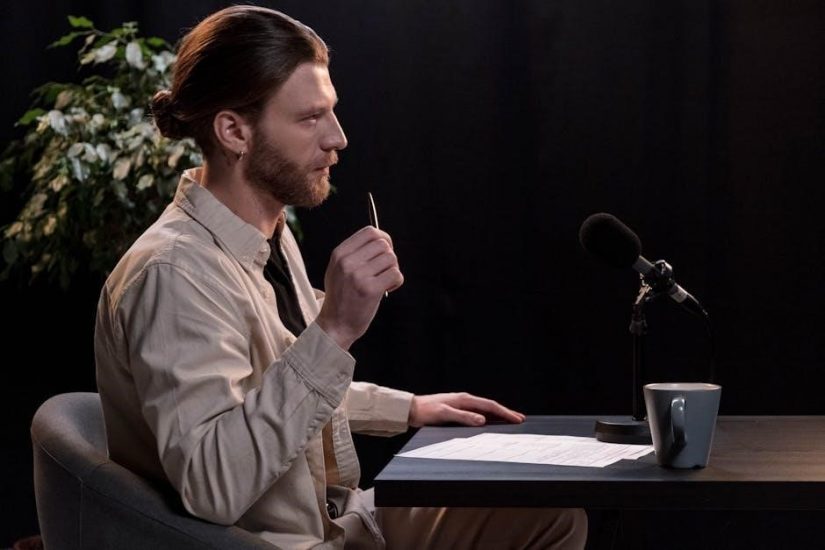
Comedic takedowns‚ frequently appearing in puzzles‚ demand a skilled host—a guide navigating humor and wit.
Numerous online resources‚ like Wordplays.com and Crossword Solver‚
highlight the need for expertise in this unique performance art‚ offering clues and answers to related questions.
What is a Comedic Takedown?
A comedic takedown isn’t simply roasting someone; it’s a carefully constructed performance. Online crossword resources‚ like those found on Answers.gg and Try Hard Guides‚ frequently feature clues relating to the “instruction for the host.” This implies a deliberate‚ planned approach. It involves playfully dissecting a subject – a person‚ idea‚ or event – through humor.
The core lies in witty observation and clever writing‚ often requiring extensive research. It’s about finding the funny within the target‚ not just attacking it. Dan Word and Crossword Heaven emphasize the puzzle-like nature of crafting a successful takedown‚ demanding a strategic mindset from the host.
The Role of the Host
The host of a comedic takedown‚ as repeatedly highlighted in crossword puzzle clues (Wordplays.com‚ Crossword Solver)‚ is far more than a mere emcee. They are the architect of the humor‚ guiding the audience through the playful deconstruction of the target.
Their instruction involves masterful pacing‚ quick wit‚ and the ability to navigate potentially sensitive territory. They must establish a tone‚ manage audience expectations‚ and‚ crucially‚ be prepared for the unexpected. A successful host‚ per various online sources‚ transforms a potentially awkward situation into engaging entertainment.
Understanding the Target & Boundaries
Effective comedic takedowns‚ frequently referenced in puzzle solutions (Dan Word‚ Try Hard Guides)‚ necessitate deep target understanding. The host’s instruction demands thorough research‚ identifying vulnerabilities ripe for playful exploration. However‚ this exploration must respect boundaries.
Knowing where the line lies between funny and offensive is paramount. Avoiding harmful stereotypes and potential legal ramifications (defamation‚ libel – a later consideration) is crucial. The host’s role isn’t destruction‚ but clever‚ insightful‚ and ultimately‚ respectful humor.

Pre-Show Preparation
Preparation is key for a successful takedown‚ mirroring the meticulous approach needed to solve related crossword clues (Answers.gg‚ LA Times).
Research‚ gag development‚ and scripting are vital for a polished performance.
Researching the Target
Thorough research is the bedrock of any effective comedic takedown. This extends beyond surface-level knowledge‚ demanding a deep dive into the target’s public persona‚ history‚ and any readily available information. Think of it as solving a complex crossword – you need all the clues!
Websites like Dan Word emphasize the importance of understanding the subject. Scour interviews‚ social media‚ past performances‚ and any documented controversies. The goal isn’t simply to find flaws‚ but to uncover comedic vulnerabilities and build material that resonates with the audience. Knowing your target intimately allows for sharper‚ more insightful humor.
Developing Running Gags
Running gags are the comedic glue that holds a takedown together‚ providing consistent laughs and building anticipation. These recurring jokes‚ often stemming from initial observations about the target‚ should be woven throughout the performance.
Think of them as inside jokes with the audience. Crossword puzzle solutions‚ like those found on Answers.gg‚ often rely on repetition and pattern recognition – the same principle applies here. A well-executed running gag escalates in humor with each iteration‚ becoming a signature element of the takedown.
Scripting & Outline Creation
A solid script and outline are crucial for a successful comedic takedown‚ even with improvisation planned; Begin by structuring key moments – the opening‚ escalating jokes‚ and the finale.
While spontaneity is valuable‚ a framework prevents rambling. Resources like Dan Word demonstrate the importance of structure in solving puzzles; similarly‚ a takedown needs a clear path. Outline joke topics‚ potential call-backs‚ and transitions. This preparation‚ as highlighted by Try Hard Guides‚ ensures a polished and engaging performance.
Opening the Takedown
The opening sets the tone‚ establishing expectations for the audience‚ as puzzle clues do for solvers. A strong start‚ like answers on Answers.gg‚ is vital!
Establishing the Tone
The initial tone is paramount; it dictates how the audience receives subsequent humor. Much like a crossword clue’s wording hints at the answer’s style‚ your opening must signal the takedown’s approach. Will it be playfully teasing‚ sharply satirical‚ or gently mocking? Resources like Try Hard Guides emphasize preparation.
Consider mirroring the target’s public persona – a flamboyant figure warrants a bolder opening than a reserved one. Dan Word suggests understanding the puzzle before attempting a solution‚ mirroring the need to understand your target. A confident‚ engaging delivery is crucial‚ assuring the audience you’re in control and setting the stage for laughter.
Initial Jokes & Observations
Begin with low-risk‚ universally relatable observations about the target‚ akin to solving easy clues in a crossword. Answers.gg highlights the importance of a strong start. Avoid immediately diving into controversial territory; build rapport first. These initial jokes should be quick‚ punchy‚ and demonstrably funny‚ establishing your comedic voice.
Focus on readily apparent quirks or public knowledge. Think of it as laying the groundwork – like finding a few letters in a crossword puzzle. Crossword Heaven suggests seeking answers when stuck‚ mirroring the need to test your material. Ensure these early observations land well‚ gauging audience reaction for momentum.
Setting Expectations for the Audience
Clearly signal the nature of the takedown upfront. Let the audience know it’s all in good fun‚ a playful roast‚ not a malicious attack. Dan Word emphasizes solving the puzzle – in this case‚ understanding the comedic intent. Acknowledge the target is present (if applicable) and frame the evening as a lighthearted exploration of their persona.
Establish boundaries – what’s fair game‚ what’s off-limits. This prevents misunderstandings and potential offense. Like a crossword clue‚ clarity is key. Try Hard Guides suggests a focused approach. Manage expectations regarding the level of satire and ensure everyone understands the playful spirit of the event.

Mid-Show Momentum
Maintain energy with pacing and timing‚ building on initial jokes. Incorporate audience interaction‚ and escalate the humor—like solving a complex crossword‚ keep the momentum going!
Pacing & Timing
Mastering pacing is crucial for a successful comedic takedown. Like a well-crafted crossword puzzle‚ the rhythm must be deliberate. Avoid rushing jokes; allow punchlines to land. Strategic pauses build anticipation‚ while quick transitions maintain energy. Observe audience reactions – a lagging response signals a need to adjust the tempo.
Varying the speed keeps the audience engaged. Interweave rapid-fire jokes with slower‚ more observational humor. Remember‚ timing isn’t just about speed; it’s about when you deliver the joke for maximum impact. A perfectly timed pause can be as funny as the joke itself!
Incorporating Audience Interaction
Engaging the audience elevates a takedown from performance to experience. Thoughtful interaction‚ like solving a challenging crossword clue‚ requires finesse. Ask open-ended questions‚ but be prepared to steer the conversation. Quick wit is essential for responding to unexpected answers.
Solicit opinions‚ playfully challenge assumptions‚ and acknowledge contributions. However‚ maintain control; avoid letting audience members derail the core comedic narrative. Remember‚ the goal is to enhance‚ not hijack‚ the takedown’s momentum. A responsive audience amplifies the humor!
Escalating the Humor
Building comedic tension is crucial‚ much like solving a complex crossword puzzle—each piece adds to the challenge. Start with gentle observations‚ then progressively introduce bolder jokes. Utilize call-backs to earlier material‚ reinforcing running gags.
Don’t be afraid to push boundaries‚ but always remain mindful of the established boundaries. Layering humor—combining wordplay‚ physical comedy‚ and pointed observations—creates a richer‚ more satisfying experience. A well-escalated takedown leaves the audience roaring!

Navigating Sensitive Topics
A skilled host avoids harmful stereotypes‚ carefully balancing humor with respect. Knowing “the line” is vital‚ preventing offense and potential backlash—a delicate comedic dance.
Avoiding Harmful Stereotypes
Successfully navigating a comedic takedown hinges on avoiding harmful stereotypes. The host must proactively dismantle prejudiced tropes‚ recognizing their damaging impact. Jokes built on generalizations perpetuate negativity and undermine the comedic intent. Instead‚ focus on individual quirks and specific behaviors of the target‚ ensuring humor arises from personality‚ not group affiliation.
Research is crucial; understand the historical context of potentially sensitive topics. Acknowledge power dynamics and avoid punching down. Self-awareness is paramount – constantly question your own biases and assumptions. Prioritize clever writing and observational humor over lazy‚ stereotypical gags. Remember‚ the goal is to be funny‚ not offensive.
The Line Between Funny and Offensive
Defining the boundary between humor and offense is paramount for a comedic takedown host. What one audience finds hilarious‚ another may deem deeply hurtful. Context is key; consider the target‚ the audience‚ and the prevailing social climate. Self-deprecating humor often lands better than attacks on others.
Empathy is essential. Before delivering a joke‚ ask yourself: “Could this genuinely harm someone?” If the answer is yes‚ rewrite it. Test material with trusted friends for feedback. Remember‚ shock value isn’t synonymous with cleverness. Prioritize wit and originality over crossing lines for cheap laughs.
Handling Potential Backlash
Anticipate criticism; a comedic takedown inherently risks offense. Prepare a measured response‚ avoiding defensiveness or escalation. Acknowledge valid concerns without necessarily apologizing for the humor itself. Monitor social media for reactions and address misinterpretations calmly.
Have a pre-planned statement ready‚ emphasizing the intent was satire‚ not malice. Understand the difference between constructive criticism and bad-faith attacks. Legal counsel is advisable if threats or defamation claims arise. Remember‚ managing fallout is as crucial as delivering the performance.
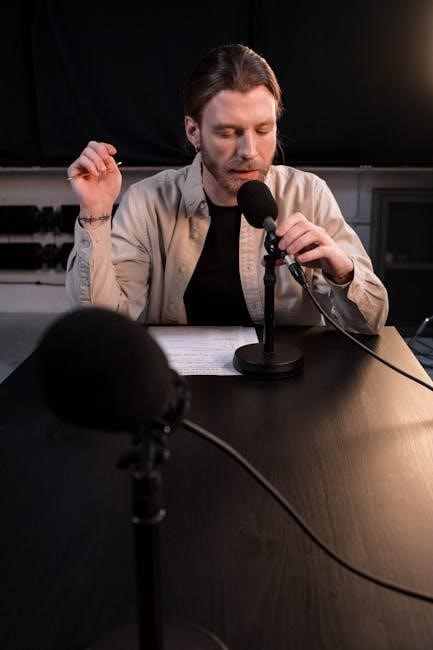
Advanced Hosting Techniques
Mastering improvisation and quick wit elevates a takedown. Skillfully weaving in call-backs and utilizing props enhances engagement‚ demanding a host’s adaptability and creative flair.
Improvisation & Quick Wit
A truly exceptional comedic takedown host thrives on spontaneity. The ability to think on your feet‚ responding to unexpected target reactions or audience interjections‚ is paramount. Cultivate rapid-fire association skills – connecting seemingly unrelated ideas for instant comedic effect.
Don’t be afraid to deviate from the script; some of the biggest laughs arise from unscripted moments. However‚ ensure improvisations remain respectful and aligned with the overall tone. Practice “yes‚ and…” techniques to build upon ideas and maintain momentum. Quick wit isn’t just about being funny; it’s about being present and adaptable.
Call-Backs & Recurring Themes
Elevate your comedic takedown with strategically placed call-backs. Referencing earlier jokes or observations creates a sense of cohesion and rewards attentive audience members. Recurring themes‚ subtly woven throughout the performance‚ amplify the humor and build anticipation.
These aren’t merely repetitions; they’re variations‚ each iteration adding a new layer of comedic depth. A well-executed call-back demonstrates cleverness and reinforces the host’s control of the narrative. Remember‚ timing is crucial – the impact diminishes with overuse or poor placement.
Utilizing Props & Visual Aids
Enhance your comedic takedown with thoughtfully chosen props and visual aids. These elements shouldn’t distract‚ but rather amplify the humor and provide additional punchlines. A well-timed visual gag can land even better than a verbal one‚ creating memorable moments for the audience.
Consider how props can embody the target’s quirks or failings. Visual aids‚ like photos or short video clips‚ can add context and fuel the comedic fire. Ensure all props are easily handled and contribute directly to the overall narrative‚ avoiding unnecessary clutter.

Dealing with Unexpected Situations
A skilled host anticipates the unpredictable. Be prepared for target reactions‚ technical glitches‚ or audience disruptions—adaptability is key to maintaining comedic momentum and control.
Target Reactions
Navigating the target’s response is crucial. Expect a spectrum – from good-natured laughter to visible discomfort or even anger. A seasoned host must be prepared to gracefully handle any reaction‚
avoiding escalation.
Improvisation is vital. If the target seems genuinely upset‚ subtly shift the tone or steer clear of particularly sensitive areas. Conversely‚ enthusiastic engagement allows for heightened comedic interplay.
Remember‚ the goal isn’t to inflict pain‚ but to create entertaining humor. Maintaining control and reading the room are paramount skills.
Technical Difficulties
Unexpected tech issues are inevitable. Microphones cutting out‚ visual aids failing‚ or audio glitches can derail momentum. A prepared host has backup plans – a spare microphone‚ pre-loaded images on a separate device‚ or even witty improvisational material to fill the gap.
Remain calm and acknowledge the problem with humor. Don’t dwell on the malfunction; a self-deprecating joke can diffuse tension.
Quick thinking and adaptability are key to maintaining audience engagement and keeping the takedown flowing smoothly despite unforeseen circumstances.
Audience Disruptions
A disruptive audience member can quickly derail a comedic takedown. The host must be prepared to handle hecklers or overly enthusiastic participants with grace and firmness. Ignoring minor disruptions is often best‚ but direct‚ polite intervention is necessary for persistent issues.
Maintain control without escalating the situation. A quick‚ witty retort can disarm a heckler‚ while a gentle reminder of audience etiquette can address general disruptions. Prioritize the comfort of the majority and swiftly address any behavior that threatens the show’s flow.

Closing the Takedown
A strong finish is crucial. Deliver final‚ impactful jokes and thank the audience—and the target‚ if appropriate—for their participation.
Ensure a satisfying conclusion to the comedic takedown.
Bringing it to a Satisfying Conclusion
The finale demands careful crafting. Avoid abruptly ending the takedown; instead‚ circle back to earlier themes or running gags for resonance. A well-executed callback demonstrates skillful hosting.
Consider a final‚ summarizing joke that encapsulates the entire performance.
Ensure the conclusion feels earned‚ not rushed‚ leaving the audience with a lasting positive impression.
Remember‚ a strong closing solidifies the comedic impact and leaves a memorable experience.
Final Jokes & Punchlines
The concluding jokes must land with precision. These aren’t throwaways; they’re the last impression. Revisit established comedic threads‚ amplifying them for maximum effect. A potent punchline should synthesize the takedown’s core themes.
Consider a self-aware joke acknowledging the performance’s structure;
Timing is crucial – deliver these final lines with confidence and a clear understanding of comedic rhythm‚ ensuring a memorable finish.
Thanking the Audience & Target (if appropriate)
A gracious conclusion is paramount. Always thank the audience for their energy and participation – they’re vital to the takedown’s success. Whether to thank the target depends heavily on the performance’s tone and their reaction.
If the takedown was good-natured‚ a brief acknowledgment can be classy.
However‚ prioritize audience comfort; avoid forcing gratitude if the target appears uncomfortable or unreceptive. A simple “thank you all” is often sufficient.

Legal Considerations
Navigating legal boundaries is crucial. Understand defamation‚ libel‚ fair use‚ and parody laws to protect yourself.
Consider consent and release forms‚ especially when directly referencing individuals‚ ensuring a legally sound performance.
Defamation & Libel
Understanding defamation and libel is paramount for comedic takedown hosts. False statements presented as fact‚ damaging a target’s reputation‚ can lead to legal repercussions.
Satire and parody offer some protection‚ but the line is delicate.
Clearly establishing the performance as comedic‚ rather than factual reporting‚ is vital.
Avoid malicious intent and ensure exaggerations are obvious to mitigate risk.
Carefully consider the potential harm caused by jokes‚ and prioritize responsible humor over shock value.
Consulting legal counsel is advisable‚ especially when dealing with public figures.
Fair Use & Parody
Navigating fair use and parody is crucial for comedic takedown hosts. Utilizing copyrighted material for transformative purposes – like commentary or criticism – may be permissible. However‚ simply re-broadcasting or mimicking isn’t protected. Parody requires a clear target and distinct comedic voice.
Consider the amount and substantiality of the original work used.
Transformative use‚ adding new meaning‚ strengthens a fair use claim.
Always err on the side of caution and understand that legal interpretations can vary.
Consent & Release Forms
Securing consent is paramount when hosting a comedic takedown. While parody offers some legal protection‚ a release form from the target provides stronger security. This document should explicitly grant permission for their likeness and statements to be used for comedic purposes.
Clearly outline the scope of the takedown‚ potential exposure‚ and any associated risks.
Legal counsel is advisable when drafting these forms‚ ensuring they are enforceable and protect all parties involved. Prioritize transparency and open communication.

Post-Show Analysis
Reflect on performance and audience response to refine future takedowns. Analyze what jokes landed‚ and where timing faltered—learning from both successes and missteps is crucial.
Reviewing Performance
Self-assessment is paramount. Immediately after the takedown‚ jot down notes – what felt strong‚ what fell flat? Revisit recordings‚ if available‚ to analyze pacing‚ delivery‚ and audience reactions. Were call-backs effective? Did improvisation enhance or detract?
Consider the target’s response; did it fuel the humor‚ or create awkwardness? Crossword puzzle solutions‚ like those found on Dan Word‚ emphasize problem-solving‚ mirroring the host’s need to dissect the performance; Honest evaluation‚ acknowledging both triumphs and errors‚ is the foundation for growth.
Analyzing Audience Response
Gauge the room’s energy throughout the takedown. Were laughs consistent‚ or sporadic? Did specific jokes consistently land‚ or bomb? Observe body language – were people engaged‚ or checking their phones? Consider demographic factors; humor varies across groups.
Online crossword resources‚ like Answers.gg‚ require deciphering patterns – apply this skill to audience cues. A successful takedown hinges on connection. Analyzing response informs future material‚ ensuring jokes resonate and avoiding offensive territory.
Learning from Mistakes
Every takedown offers lessons. Review recordings‚ noting jokes that fell flat or moments of awkwardness. Did pacing suffer? Was a topic too sensitive? Crossword solvers learn from incorrect attempts; hosts must do the same.
Dan Word and Try Hard Guides emphasize problem-solving. Analyze what didn’t work‚ and why. Don’t dwell on failures‚ but extract valuable insights. Adapt your approach‚ refine your timing‚ and remember: even seasoned comedians face setbacks. Growth comes from honest self-assessment.
Resources for Comedic Hosts
Online platforms like Wordplays.com and Crossword Solver offer puzzle-solving skills transferable to comedic timing. Explore comedy writing books and workshops for further instruction!
Books on Comedy Writing
For aspiring comedic takedown hosts‚ delving into the craft of comedy writing is paramount. While direct instruction on “takedowns” is scarce in book form‚ foundational texts prove invaluable. Consider Stephen Fry’s Making the Leap for structure and timing. Judy Carter’s The Comedy Bible offers practical advice on joke writing and stage presence‚ crucial for navigating a potentially reactive environment.
Additionally‚ books on improvisation‚ like those by Viola Spolin‚ can hone quick-thinking skills—essential when facing unexpected target reactions or technical difficulties. Understanding comedic theory‚ as presented in works by John Cleese‚ provides a deeper appreciation for the art form and informs a host’s approach.
Online Comedy Communities
Aspiring comedic takedown hosts can benefit immensely from engaging with online comedy communities. Reddit’s r/standup and r/comedy offer forums for feedback‚ discussion‚ and networking with fellow performers. These platforms provide a space to share material‚ analyze comedic timing‚ and learn from experienced hosts.
Discord servers dedicated to comedy writing and performance also foster collaborative learning. Furthermore‚ platforms like Stage 32 connect creatives‚ potentially leading to mentorship opportunities. Actively participating in these communities provides invaluable insights and support for navigating the unique challenges of a comedic takedown.
Workshops & Training Programs
Dedicated workshops and training programs are crucial for honing the skills needed to host a successful comedic takedown. Institutions like The Second City and Upright Citizens Brigade (UCB) offer improv and sketch comedy courses‚ building foundational comedic timing and stage presence.
Specialized workshops focusing on roast battles or comedic interviewing can provide targeted instruction. Seeking out masterclasses led by experienced comedians and hosts offers invaluable insights. These programs often cover joke writing‚ audience engagement‚ and navigating sensitive topics – essential elements for a compelling takedown.